Maximize Your Boat’s Performance: Unlock the Secrets of Marine Engine Parts That Professionals Swear By!
Ever wondered what keeps marine engines running smoothly, even in the most challenging conditions? Whether you’re a seasoned boat owner or a maritime enthusiast, understanding common marine engine parts is crucial for maintaining peak performance and avoiding costly breakdowns.
Before diving into the engine itself, it’s important to have the right support equipment on board. Upgrading to reliable Boat Parts and Accessories can make a huge difference. From high-grade hoses and clamps to precision-cut gaskets, choosing the best components ensures that every system—from your fuel delivery to your exhaust pathways—stays secure and corrosion-resistant, even in harsh saltwater environments. Investing in these parts now can prevent headaches and emergency repairs later.
While your engine demands top-notch care, your fishing gear shouldn’t be neglected either. When you’re out on the water, the right tackle can turn a so-so day into an unforgettable adventure. Our guide on Choosing Quality Fishing Equipment explains how to match rods, reels, and lines to your specific vessel and target species. With durable, marine-grade materials, you’ll spend less time dealing with broken gear and more time reeling in trophy catches.
And let’s not forget safety—no trip is worth the risk of being unprepared. From life jackets to signaling devices, having the correct Essential Safety Gear for Boaters is non-negotiable. This comprehensive checklist covers everything from personal flotation devices to emergency repair kits, ensuring you and your crew stay protected when unexpected situations arise.
Introduction to Common Marine Engine Parts
Marine engines are complex machines that require intricate knowledge and careful maintenance. Unlike car engines, marine engines operate in extreme environments – battling saltwater, constant moisture, and unpredictable conditions. These powerhouses are the beating heart of any vessel, transforming fuel into the raw energy that propels boats across vast waters.
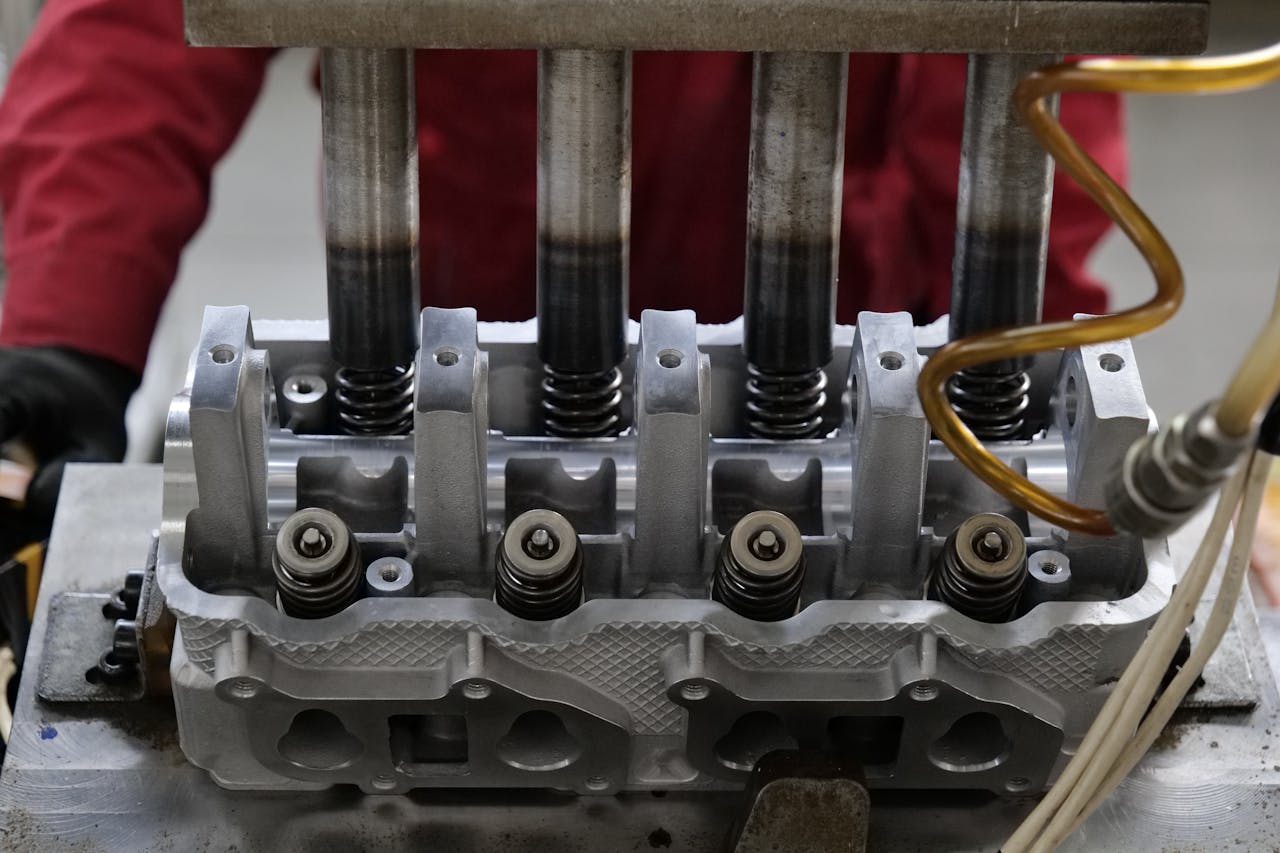
At its core, a marine engine consists of multiple interconnected components, each playing a critical role in overall performance. From the robust cylinder block to the intricate fuel injection system, every part works in perfect harmony to ensure smooth sailing. Understanding these parts is crucial not just to enhance performance but to significantly minimize the risk of unexpected failures that could compromise safety.
The marine environment is uniquely challenging, with factors like saltwater corrosion and oscillating temperatures. Therefore, knowing about common marine engine parts, the material they’re made from, and their expected lifespan is essential. Investing time in learning about these components provides boat owners with the tools necessary to conduct preliminary troubleshooting and helps in making informed decisions about part replacements, repairs, or upgrades.
The Role of Regular Maintenance in Marine Engine Longevity
Imagine your marine engine as a high-performance athlete. Just like professional athletes require consistent training and care, marine engines demand regular maintenance to perform at their best. Neglecting routine checks can lead to catastrophic failures that could leave you stranded miles from shore.
Regular maintenance isn’t just about preventing breakdowns – it’s about maximizing your engine’s potential. By implementing a strategic maintenance schedule, you can:
- Extend the overall lifespan of your marine engine
- Improve fuel efficiency
- Prevent unexpected and expensive repairs
- Maintain optimal engine performance
Experts recommend conducting comprehensive engine inspections at least twice a year or after every 100 hours of operation. This proactive approach can save you thousands in potential repair costs and keep your vessel running like a well-oiled machine. Additionally, creating a maintenance checklist that includes oil changes, filter replacements, and an inspection of belts and hoses contributes to the reliability of your marine engine.
Another critical aspect of maintenance is acknowledging the engine’s operating environment. Engines in saltwater settings may need more frequent inspections due to corrosion risks. Freshwater operators might face different challenges like sediment buildup. Tailoring maintenance strategies to these environmental elements ensures that your engine continues to perform efficiently regardless of the conditions faced on the open water.
Essential Tools for Marine Engine Repair
Being prepared is half the battle when it comes to marine engine maintenance. Professional marine mechanics rely on a specific set of tools that allow them to diagnose and resolve issues quickly and efficiently. The right tools not only save time during repairs but can instill confidence in boat owners tackling minor repairs themselves.
Must-Have Tools for Marine Engine Maintenance
- Multimeter: Critical for electrical system diagnostics. A multimeter can detect electrical faults, ensuring all circuits function correctly.
- Compression Tester: Helps evaluate engine cylinder health by measuring compression levels, identifying valve issues, and assessing overall engine efficiency.
- Oil Extraction Pump: Simplifies oil changes in tight spaces, making it easier to perform regular maintenance without requiring professional service visits.
- Specialized Wrench Sets: Designed for marine engine configurations, these tools allow for precision work on engine components, minimizing the risk of over-tightening or stripping bolts.
- Corrosion-Resistant Tools: Essential for fighting saltwater damage, these specially coated tools withstand corrosive environments, ensuring long-lasting utility.
While professional-grade tools can be expensive, investing in quality equipment pays dividends in the long run. Many boat owners find that having a comprehensive toolkit can mean the difference between a minor repair and a major breakdown. These tools democratize maintenance, allowing even novice mechanics to confidently address basic engine needs, which enhances boat safety and performance overall.
Understanding the Functionality of Key Engine Components
Marine engines are complex systems composed of numerous interconnected parts. Understanding these components helps you make informed decisions about maintenance and potential repairs. Each element within the engine holds a specific purpose crucial to the engine’s operation.
Critical Marine Engine Components
Let’s break down the most essential parts that keep your marine engine running smoothly:
Cylinder Block
The cylinder block is essentially the engine’s foundation. It houses the cylinders, connecting the crankshaft and providing structural integrity. Made from high-grade aluminum or cast iron, this component must withstand extreme temperatures and constant mechanical stress. Regular checks for cracks or degradation are vital, as any compromise in the cylinder block can lead to significant engine malfunctions.
Fuel System
A marine engine’s fuel system is its lifeline. Modern systems utilize advanced fuel injection technology that precisely meters fuel delivery, ensuring optimal combustion and minimizing waste. Components like fuel pumps, injectors, and fuel filters work together to maintain peak performance. Regular fuel system check-ups prevent gas line clogs and ensure each component operates effectively, promoting efficient fuel use which results in cost-saving during long voyages.
Cooling System
Marine environments demand robust cooling mechanisms. Unlike automotive engines, marine engines often use raw water cooling systems that draw directly from surrounding waters. This system prevents overheating and ensures consistent engine temperature, even during prolonged use. Checking the water pump and ensuring all cooling pathways are unobstructed is a vital part of engine upkeep, as overheating can quickly lead to severe engine damage.
How Atlantic Coastal Kayaker Ensures Engine Efficiency and Safety
At Atlantic Coastal Kayaker, we understand that marine engines are more than just mechanical components – they’re the lifeline of your maritime adventures. Our comprehensive approach to engine maintenance combines cutting-edge technology with decades of maritime expertise.
We don’t just repair engines; we optimize them. Our team of certified marine technicians provides:
- Comprehensive diagnostic assessments that accurately identify engine issues early, allowing for proactive solutions instead of reactionary repairs.
- Precision repairs using manufacturer-recommended techniques ensure that every fix adheres to the highest standards, maintaining the engine’s integrity.
- Custom maintenance plans tailored to your specific vessel, taking into account its age, usage patterns, and the environments it has been exposed to.
- Advanced technological solutions for modern marine engines, integrating emerging technology to offer diagnostics and solutions that prolong the engine’s life.
By focusing on preventative maintenance and utilizing the latest diagnostic tools, we help boat owners maximize their vessel’s performance, safety, and longevity. This proactive care approach not only enhances the boating experience but mitigates the frustration and costs associated with unexpected breakdowns.
Understanding common marine engine parts isn’t just for professionals – it’s for every boat owner who wants to enjoy reliable, efficient maritime experiences. Whether you’re navigating coastal waters or exploring open seas, knowledge is your most valuable tool. Each voyage begins with the confidence that your vessel is equipped for stability and endurance, backed by parts that are as dedicated to the journey as you are.